Cracking in walls and concrete surfaces is often seen as a cosmetic issue — something to be patched or painted over. However, in many cases, these cracks are a sign of natural structural movement that has not been properly managed.
Across numerous projects we’ve worked on throughout Gauteng and KwaZulu-Natal, we’ve seen how ignoring or incorrectly treating movement-related cracks can lead to recurring damage and costly repairs.
This is where movement joints play a critical role.
What Are Movement Joints?
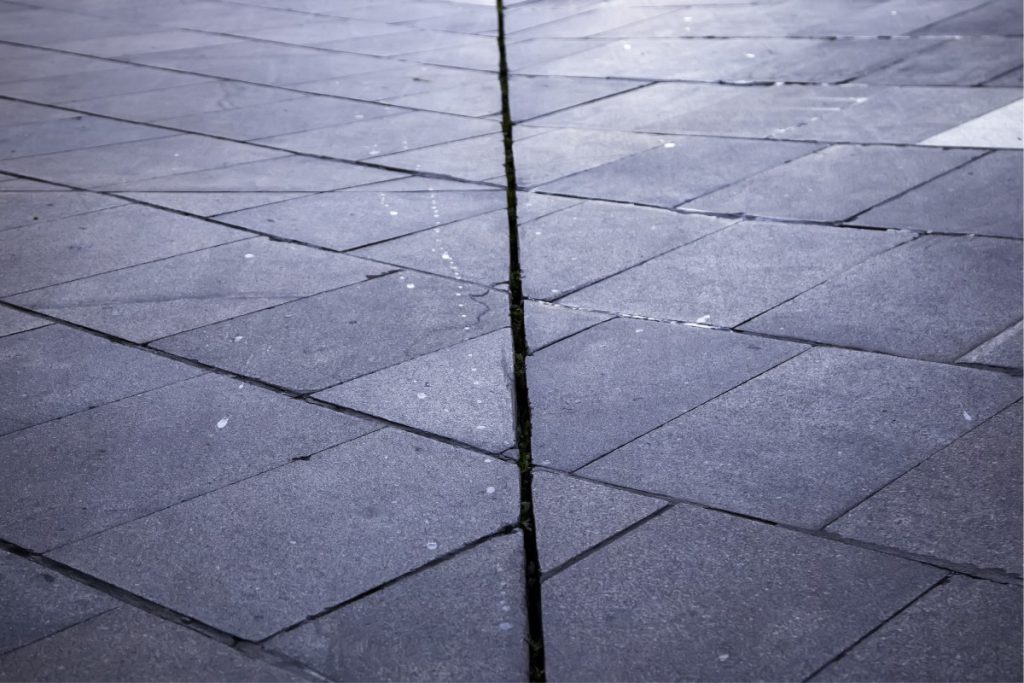
Movement joints are specially designed gaps or separations built into structures to allow for natural expansion and contraction.
Buildings are constantly shifting due to:
- Temperature changes
- Moisture absorption and drying
- Structural settling over time
- Load and stress variations
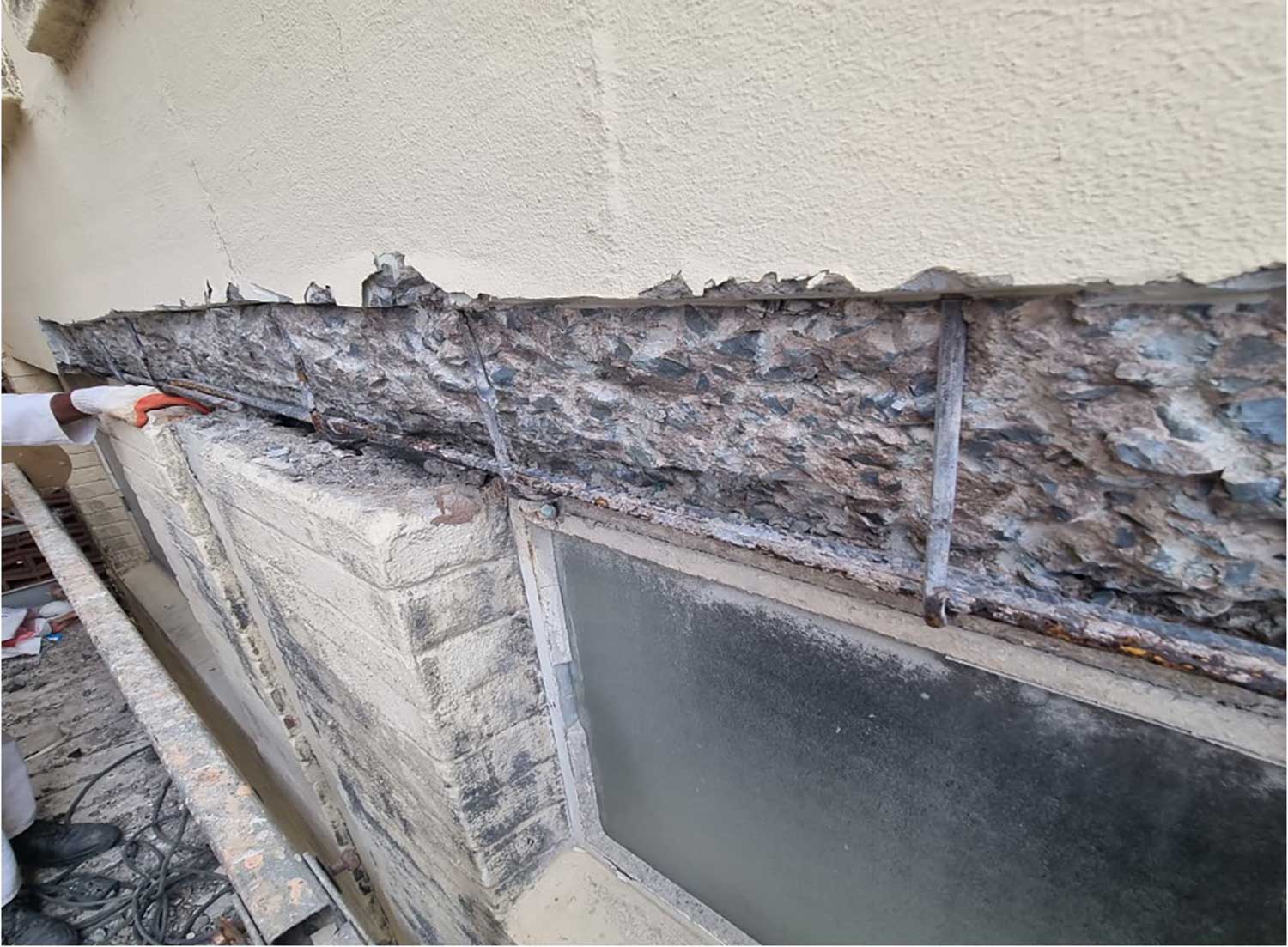
Without movement joints, this natural movement places stress on rigid materials like concrete and plaster — eventually causing them to crack.
Why Cracks Keep Coming Back
One of the most common issues we encounter is repeated cracking in the same areas, even after repairs have been done.
This typically happens when cracks are:
- Simply filled with rigid materials
- Painted over without addressing the cause
- Not properly sealed with flexible systems
In these cases, the underlying movement continues, and the crack reappears — sometimes worse than before.
Signs of Movement-Related Damage
It’s important to identify whether cracks are caused by structural movement rather than surface-level issues.
Common signs include:
- Cracks that reappear after being repaired
- Long, continuous cracks along walls or ceilings
- Cracks forming at joints between different materials
- Gaps appearing around windows, doors, or structural connections
- Cracks that widen and narrow over time
These indicators often point to movement that needs to be managed rather than concealed.
Why Movement Joints Matter
Movement joints are essential for maintaining the integrity of a structure over time.
Without them, stress builds up within materials until it is released through cracking. This not only affects the appearance of a building but can also allow moisture to penetrate, leading to further deterioration.
Across many of the buildings we assess, recurring crack repairs could have been avoided if proper movement joint systems had been installed or maintained.
The Role of Flexible Joint Systems
Unlike standard fillers or coatings, movement joints require flexible materials that can accommodate ongoing movement.
A professional movement joint system typically includes:
- Cleaning and preparing the joint area
- Installing backing materials where required
- Applying high-quality, flexible sealants
- Ensuring proper adhesion to surrounding surfaces
- Allowing for expansion and contraction without failure
These systems are designed to move with the structure, preventing cracks from reappearing and protecting against water ingress.
More Than a Cosmetic Fix
Treating movement-related cracks as a surface issue often leads to repeated maintenance and frustration. The key is to address the root cause — not just the visible damage.
In many cases, properly installed movement joints not only prevent cracking but also improve the performance of waterproofing and coating systems applied to the building.
A Long-Term Approach to Structural Movement
Movement is a natural part of any structure, but how it is managed determines whether it becomes a problem.
At A.C.T. Painting and Restoration, we approach movement-related issues with a focus on long-term performance. With extensive experience across residential, commercial, and industrial projects, we understand how to identify movement patterns and apply systems that accommodate them effectively.
Preventing Problems Before They Escalate
Cracks are often an early warning sign — not something to ignore or repeatedly patch.
By identifying movement-related issues early and installing the correct joint systems, property owners can prevent ongoing damage and reduce long-term maintenance costs.
If you’ve noticed recurring cracks or areas where repairs don’t seem to last, it may be time to look beyond surface fixes.
A.C.T. Painting and Restoration is equipped to assess, repair, and implement movement joint solutions that protect your structure and deliver lasting results.